
Software Companies in Jeddah and Construction Systems in KSA: How to Choose the Right Digital Solution?
Software Companies in Jeddah and Construction Systems in KSA: How to Choose the Right Digital Solution?
The rapid growth of construction and infrastructure projects across Saudi Arabia has increased demand for reliable software companies in Jeddah that understand the operational ntscompany needs of contractors, developers, engineering firms, and project management companies. Construction businesses require more than basic accounting or document storage tools. They need integrated platforms that connect project planning, budgets, procurement, site activities, subcontractors, materials, contracts, and financial data. A well-designed Construction system KSA can bring these processes together, helping companies improve visibility, control project costs, reduce manual work, and make faster decisions throughout the project lifecycle.
What Do Software Companies in Jeddah Offer?
Modern software companies in Jeddah provide a wide range of digital solutions for businesses operating across Saudi Arabia. These may include ERP systems, project management software, CRM solutions, accounting platforms, HR systems, mobile applications, cloud services, and customized software development.
For construction companies, the requirements are usually more complex because each project involves multiple teams, suppliers, subcontractors, materials, contracts, schedules, and financial commitments.
A software provider with construction experience can help connect these processes through one system instead of relying on separate spreadsheets and disconnected applications.
What Is a Construction System in KSA?
A Construction system KSA is a software platform designed to manage the operational, financial, and administrative processes involved in construction projects.
Depending on the solution, it may include project planning, budget management, procurement, BOQ management, site reporting, subcontractor management, document control, equipment tracking, inventory, billing, and financial reporting.
The objective is to give management a clear view of project performance from initial planning through execution and final delivery.
Construction ERP for Contractors
A construction ERP system connects project operations with financial and administrative departments. Instead of maintaining separate records for accounting, procurement, warehouses, and project execution, information can move through an integrated platform.
For example, a purchase request raised by a project team can move through approval, purchasing, delivery, inventory receipt, and cost allocation to the relevant project.
This creates better coordination between the site, procurement department, finance team, and management.
Project Planning and Scheduling
Construction companies need to monitor activities, deadlines, resources, and dependencies throughout the project.
A construction project management system can help teams organize tasks, assign responsibilities, follow planned and actual progress, and identify delays that may affect completion dates.
Managers can also compare project progress with budgets and resource availability, giving them a clearer view of whether work is moving according to the original plan.
Budgeting and Construction Cost Control
Cost control is one of the most important functions of a construction management platform. Projects often involve changing material costs, subcontractor payments, equipment expenses, labor costs, and variation orders.
A construction cost control system can help monitor committed costs, actual expenses, and remaining budgets for each project.
By comparing planned costs with actual spending, management can identify budget deviations early and take action before they become larger financial problems.
BOQ Management
The Bill of Quantities (BOQ) is a critical part of many construction projects because it organizes project items, quantities, rates, and expected values.
A digital construction system can connect BOQ items with budgets, procurement, subcontractor work, progress billing, and project costing.
This allows project teams to track quantities and financial performance without maintaining multiple independent spreadsheets.
Procurement Management for Construction Companies
Construction projects depend heavily on timely procurement of materials and services. Delays in purchasing can directly affect project schedules.
An integrated construction procurement system can manage purchase requests, quotations, approvals, purchase orders, supplier records, and delivery status.
Project teams can submit material requirements, while procurement departments can monitor approved requests and coordinate deliveries according to project priorities.
Material and Inventory Management
Construction companies often manage materials across central warehouses and multiple project sites. Without proper tracking, materials can be misplaced, overordered, or unavailable when required.
A construction inventory management system can record receipts, transfers, issues, returns, and available quantities.
This improves visibility into where materials are located and which projects are consuming them, supporting more accurate procurement and project cost calculations.
Site Management and Daily Reports
ERP Saudi Arabia and Software Companies in Saudi Arabia: How to Choose the Right Business System?
Site teams generate large amounts of operational information every day, including labor attendance, equipment usage, completed work, delays, material consumption, and site observations.
A site management system can allow engineers and supervisors to record this information digitally instead of relying only on paper reports or scattered messages.
These daily reports can then be connected with project dashboards, allowing management to monitor progress across several construction sites.
Subcontractor Management
Subcontractors play an important role in many construction projects, and managing their contracts, work progress, payments, and performance can become complex.
A subcontractor management system can store contract details, scope of work, progress measurements, certificates, deductions, and payment information.
This makes it easier for commercial, project, and finance teams to work with the same information and reduce disputes caused by inconsistent records.
Contract and Variation Order Management
Construction projects often experience changes in scope, quantities, specifications, or timelines. These changes may result in variation orders that affect both cost and schedule.
A digital construction contract management system can organize contract documents, approvals, change requests, claims, and variations.
Maintaining a structured record helps project teams understand how changes affect the original contract and supports better financial control.
Document Control for Construction Projects
Projects generate drawings, specifications, RFIs, submittals, inspection requests, contracts, and many other documents.
A construction document control system helps organize these files, track revisions, and ensure that project teams are working with the correct versions.
This is particularly important when several consultants, contractors, and subcontractors are involved in the same project.
Equipment and Asset Management
Construction companies often manage vehicles, machinery, tools, and site equipment across different locations.
A construction equipment management system can record asset locations, usage, maintenance schedules, operating hours, and related costs.
This helps companies monitor equipment availability and plan preventive maintenance before breakdowns cause delays on site.
Construction Billing and Progress Payments
Construction projects often use progress-based billing rather than simple product invoices.
A construction platform can support progress billing, payment certificates, subcontractor payments, retention, deductions, and project receivables according to the company’s workflow.
Connecting commercial and financial information also provides management with a clearer understanding of project cash flow.
Construction Dashboards and Business Intelligence
Management needs a quick way to understand project performance without reviewing dozens of spreadsheets.
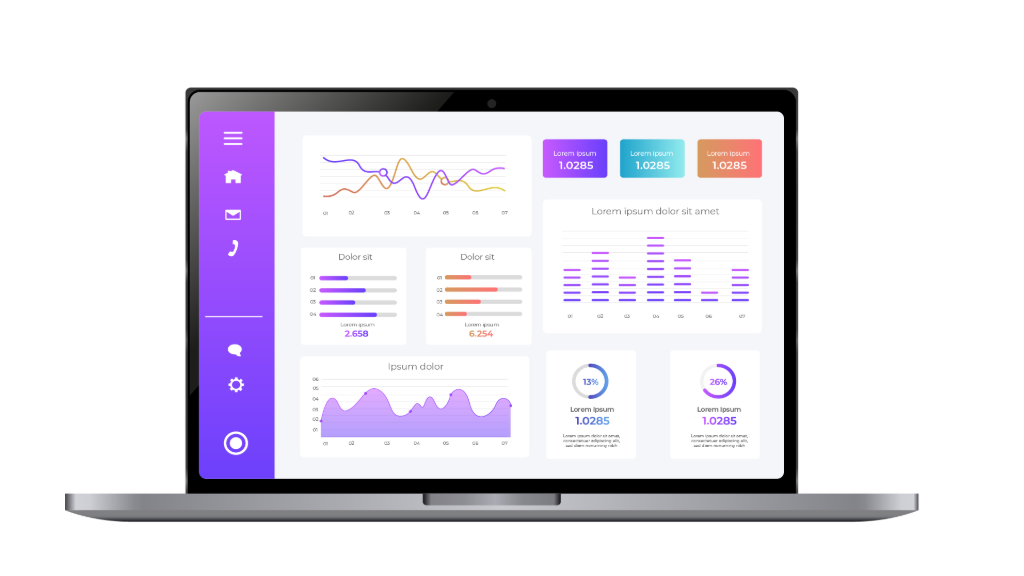
Construction software can provide dashboards covering project progress, budgets, procurement, overdue tasks, cash flow, subcontractor status, and cost variance.
A well-designed construction dashboard helps decision-makers identify projects that require attention and compare performance across multiple sites.
Cloud Construction Software in Saudi Arabia
Many businesses are considering cloud construction software because it allows authorized users to access project information from offices and construction sites.
Cloud systems can support collaboration between project managers, engineers, procurement teams, finance departments, and senior management.
However, companies should evaluate cybersecurity, access permissions, backup policies, system availability, and data requirements before choosing a deployment model.
Customized Construction Software
Not all contractors manage projects in the same way. Some businesses focus on infrastructure, while others specialize in buildings, MEP work, fit-out, or specialized contracting.
For this reason, custom construction software can be useful when standard platforms do not fully support important workflows.
Software companies can develop custom modules, dashboards, approval processes, integrations, and mobile applications based on the contractor’s actual operations.
How to Choose Among Software Companies in Jeddah
When comparing software companies in Jeddah, construction businesses should look beyond the initial software price.
It is important to evaluate the provider’s understanding of construction workflows, ERP implementation experience, integration capabilities, technical support, user training, scalability, cybersecurity, and reporting tools.
A strong software partner should first understand the company’s projects, departments, approval processes, and existing problems before recommending a solution.
Choosing the Right Construction System KSA
Before selecting a Construction system KSA, companies should document their existing workflow and identify the biggest challenges they want the new platform to solve.
These may include poor project cost visibility, delayed procurement, weak document control, manual site reports, subcontractor tracking problems, or disconnected financial data.
The right solution should support the most important operational processes while remaining flexible enough to grow with the business.
Software Companies in Jeddah Supporting Construction Digital Transformation
The combination of experienced software companies in Jeddah and an integrated Construction system KSA can help contractors and developers manage projects through a connected digital environment.
By integrating project planning, BOQ management, procurement, materials, subcontractors, contracts, site operations, cost control, and financial reporting, construction companies can gain greater visibility across their projects. A solution built around real construction workflows can provide a stronger foundation for digital transformation, operational efficiency, and sustainable business growth in Saudi Arabia.